

A practical guide to evaluating creative vision, international production capabilities, technical expertise and relevant project experience.
By Battle Royal Studios
Choosing an immersive experience agency for a global product launch means finding a partner that can translate your product story into a compelling live experience and deliver it across the markets, venues and audiences involved.
Look beyond the showreel. The most useful evidence comes from relevant launch projects, clearly defined production responsibilities, technical expertise and a demonstrated ability to coordinate international teams.
Here are six areas worth evaluating before making your decision.
1. Check for relevant product launch experience
An agency with an impressive event portfolio may still have limited experience with product launches.
A launch has its own creative and operational demands. The product needs to remain central to the experience, audiences need to understand what makes it relevant, and the reveal itself often depends on carefully coordinated content, technology and live production.
When reviewing potential agencies, consider what they have actually delivered.
•Has the agency worked on product launches with a comparable audience or level of complexity?•What was its specific role: creative development, production, technical direction or overall delivery?•How was the product integrated into the experience?•Can the agency explain the decisions behind the concept, beyond showing the final event?
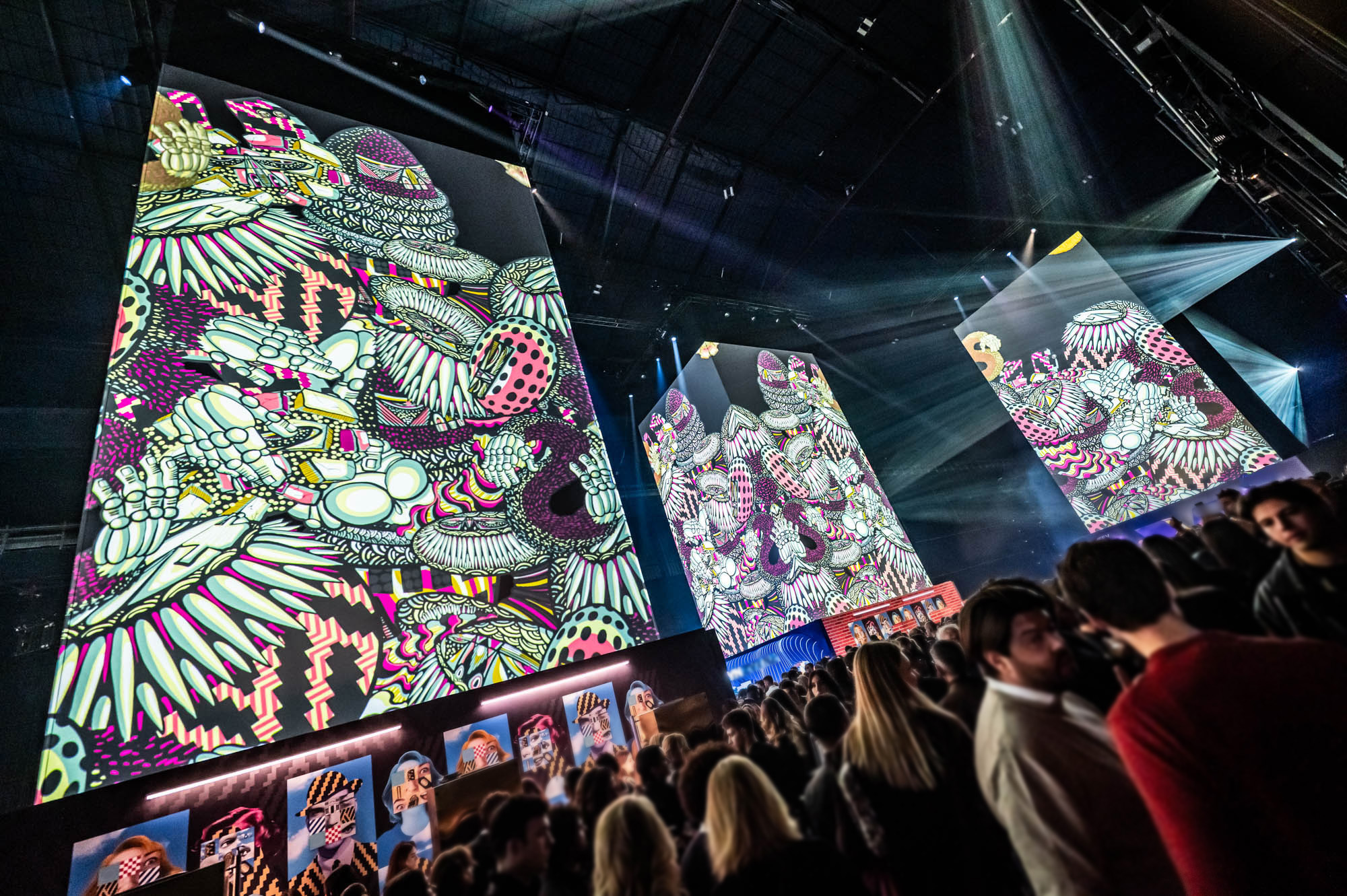
Project example: Sensorium Worlds, Milan
For Sensorium Worlds, Battle Royal Studios developed and led a large-scale immersive brand experience commissioned by PM International under its Curious X platform, in collaboration with brand partner SELETTI.
The event marked the unveiling of a limited-edition co-branded collection. BRS led concept development, creative direction, show design, event production and technical direction, working alongside specialist production partners.
The project brought spatial storytelling, live performance, interactive environments and the product reveal into one cohesive experience.
It demonstrates the level of creative and production integration worth looking for when evaluating an agency for a major product launch.
2. Evaluate international delivery capabilities
A launch spanning several markets introduces challenges that may not be visible in an agency’s portfolio.
Different venues, regulations, suppliers, audience expectations and production conditions all influence delivery. A concept that works in one city may need significant adaptation in another.
Ask prospective agencies how they maintain a consistent creative direction while accommodating local requirements.
Questions worth asking include:
•Have you delivered the same creative platform in multiple countries?•How do you work with local production teams and suppliers?•Which elements of the experience remain consistent, and which can be adapted?•Who is responsible for approvals, quality control and final delivery in each market?•How do you coordinate local requirements with the central creative team?
It is also worth distinguishing between a single international event, a touring experience and a simultaneous multi-market launch. Each requires a different approach to production and coordination.
Project example: Believe. Further
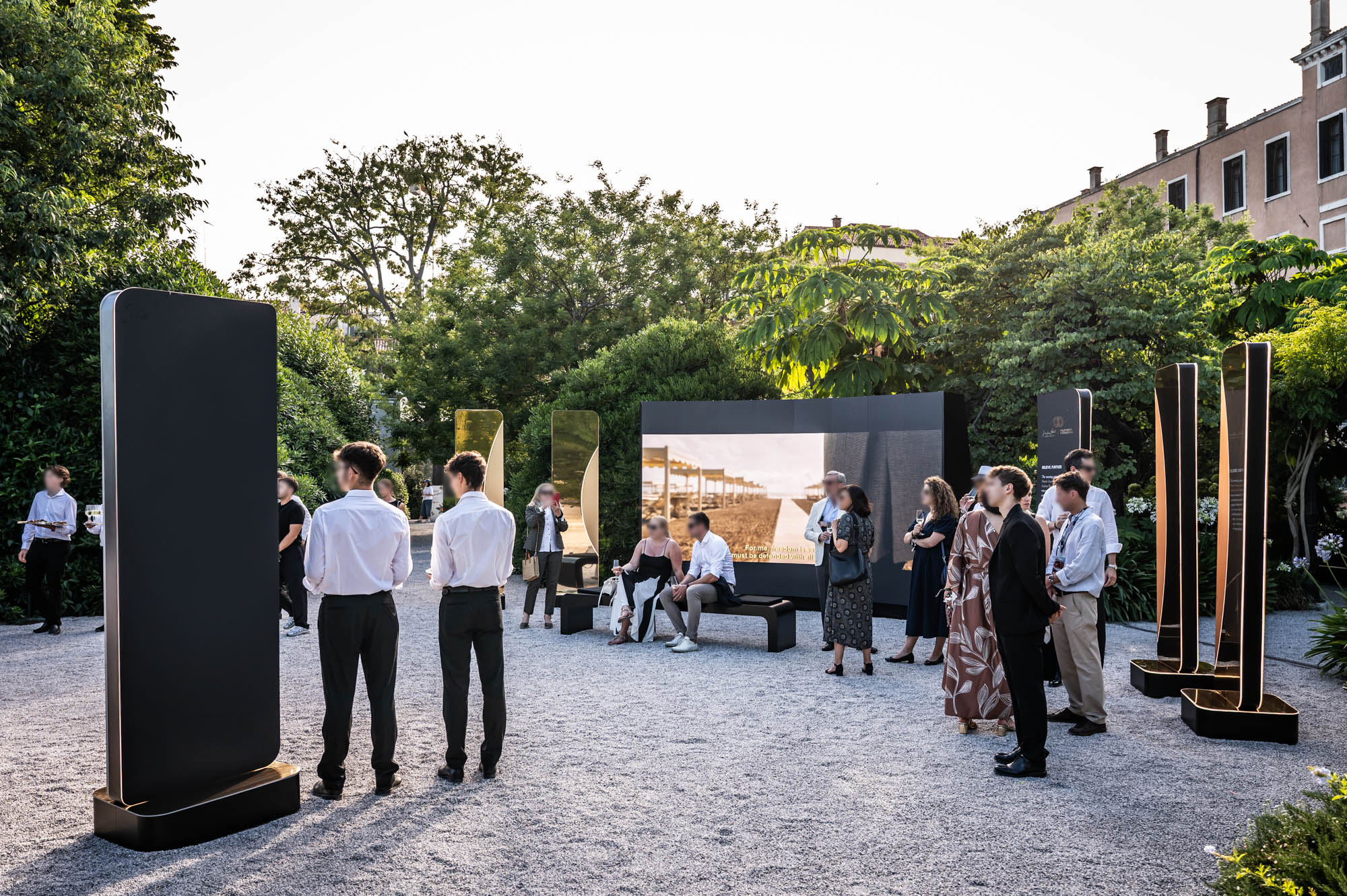
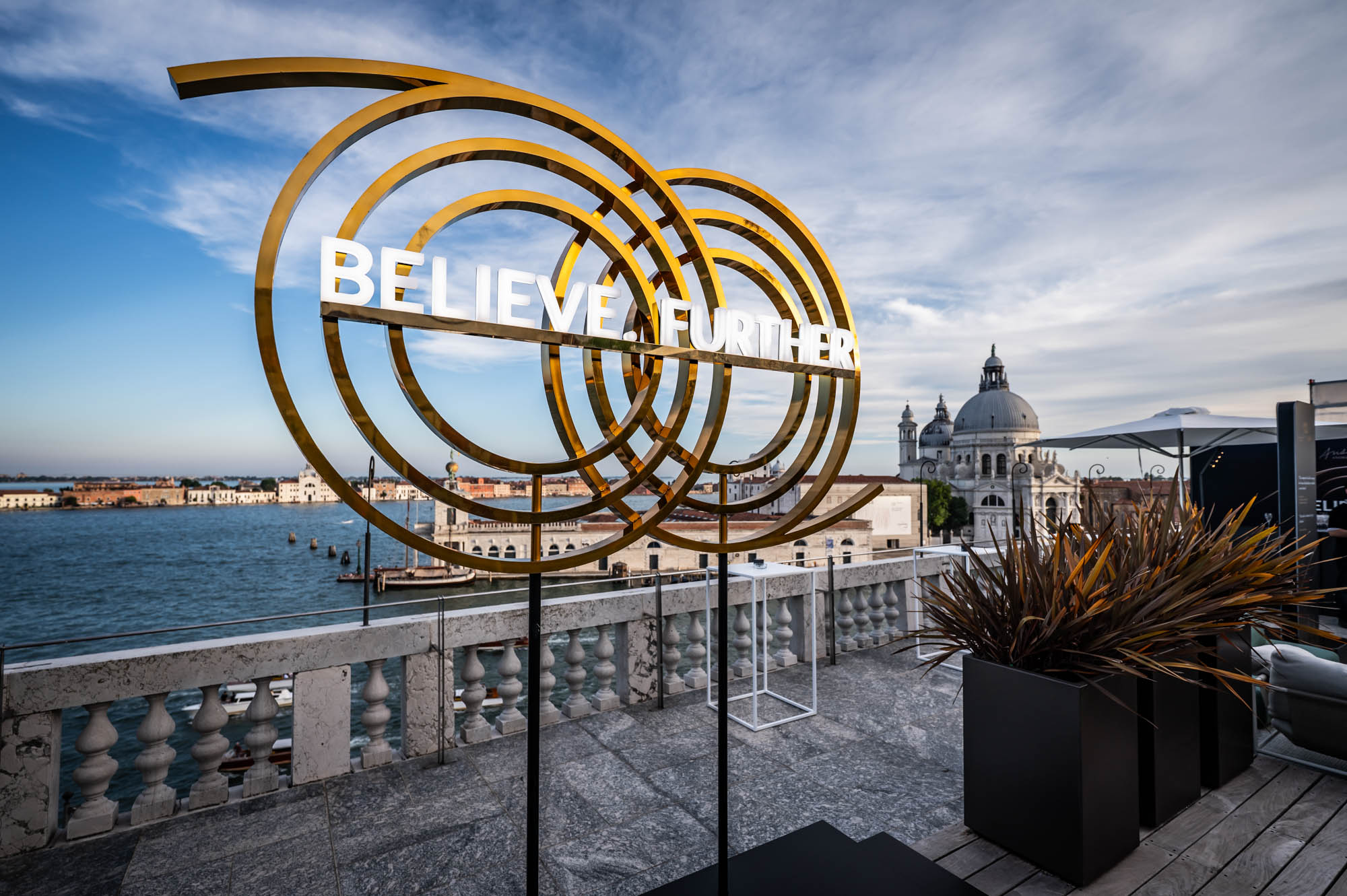
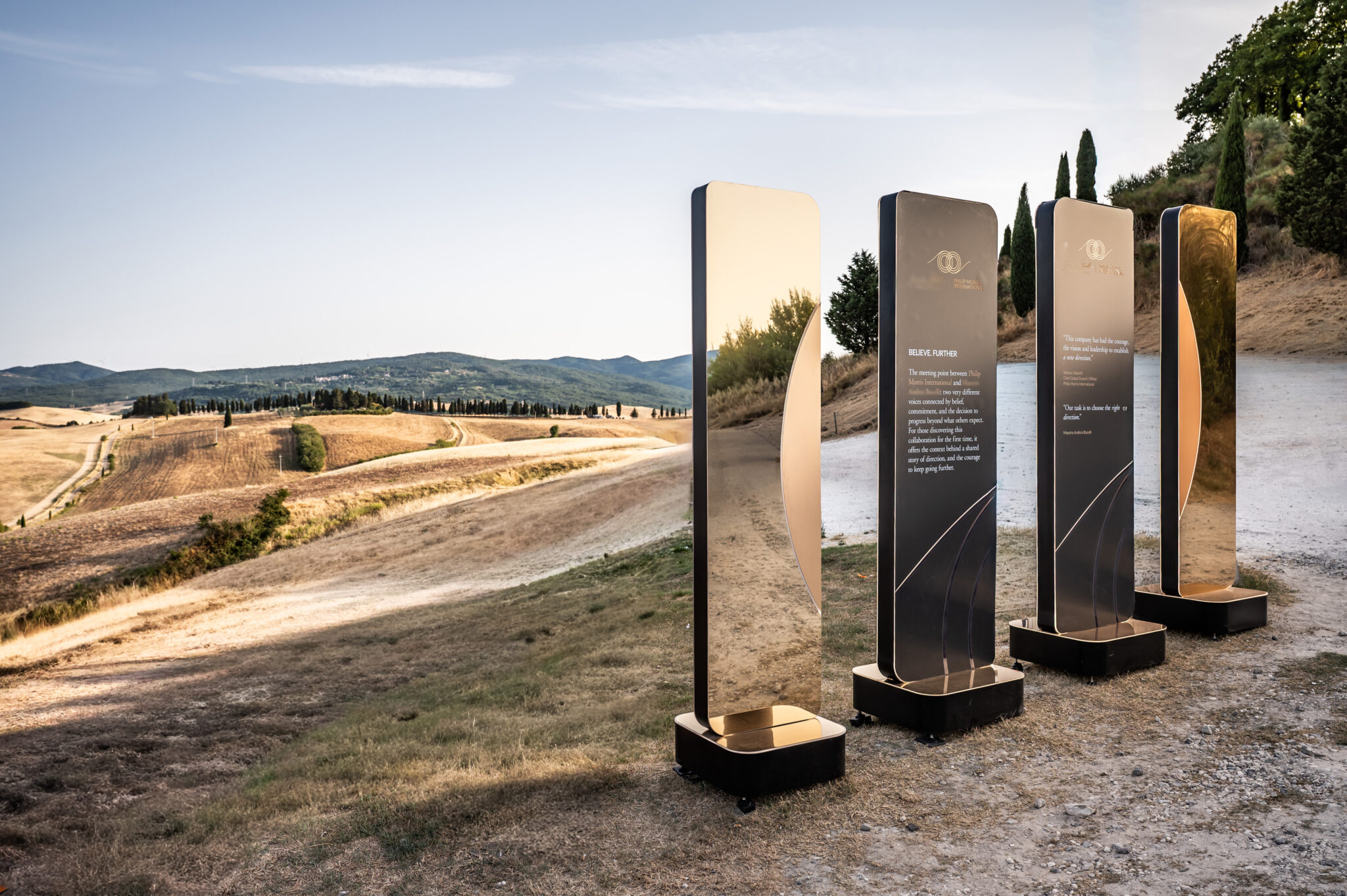
Believe. Further illustrates the practical requirements of adapting one creative platform across several markets.
BRS developed the visual and experiential concept for an international partnership platform involving PM International and a renowned classical musician.
The programme launched in Venice before extending across Italy, Poland and Austria, encompassing six concerts in three countries.
BRS developed the visual identity, spatial design language and modular experience system, allowing the concept to be adapted to different venues and local production requirements.
Although this was a partnership and communications platform rather than a conventional product launch, it provides a relevant example of international rollout coordination.
3. Assess creative and immersive capabilities
Immersive technology can create striking environments. Its value depends on how it contributes to the product story.
During the selection process, ask prospective agencies to explain how they move from a product’s defining characteristics to a physical or interactive experience.
Can they translate a technical benefit into something audiences can explore? Can they design a meaningful role for participants? Can they connect spatial design, content and interaction into a coherent journey?
Look for projects where the creative approach can be clearly explained, including why particular design and technology decisions were made.

Project example: Soundsorial Design, Milan Design Week 2026
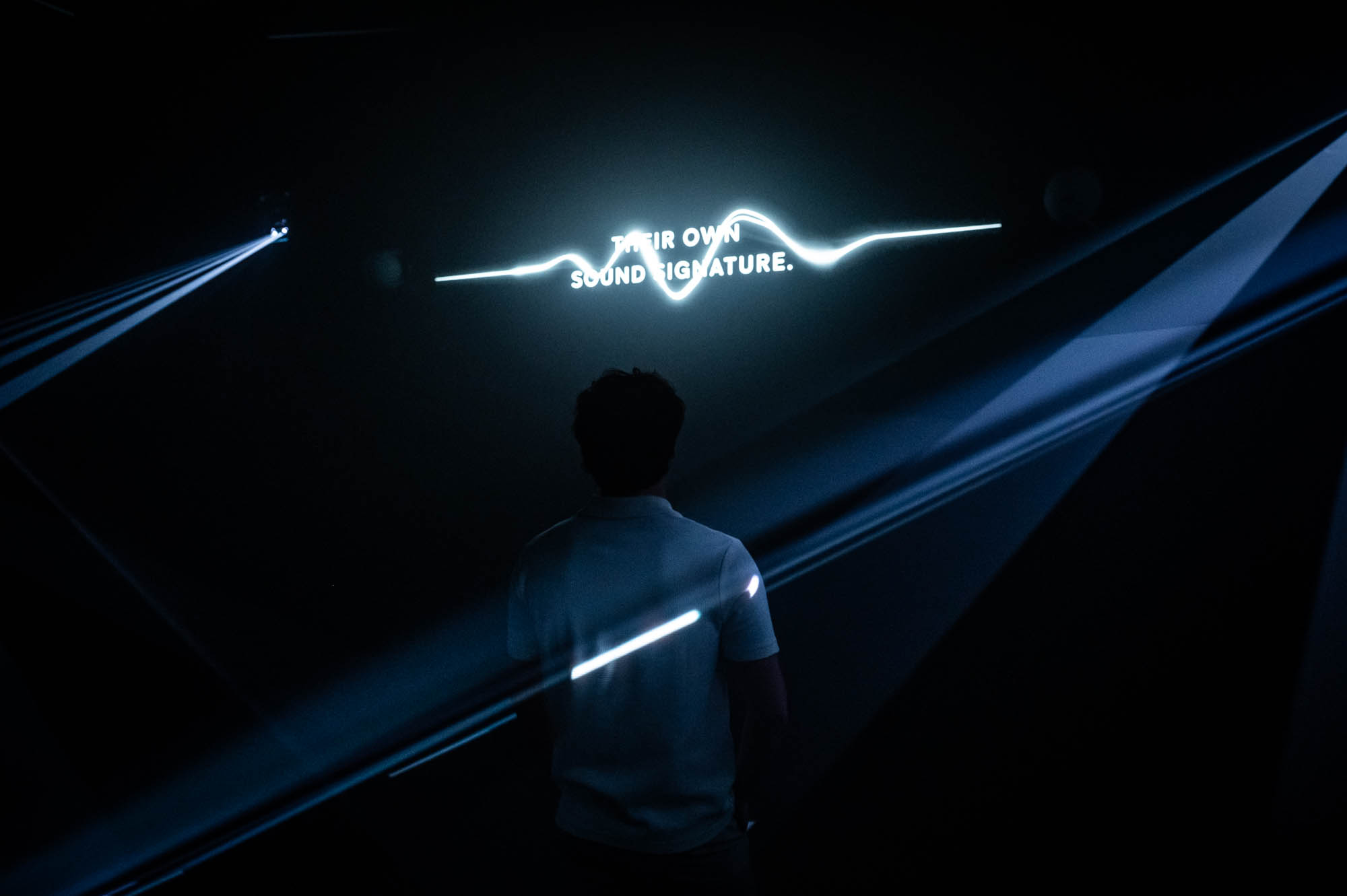
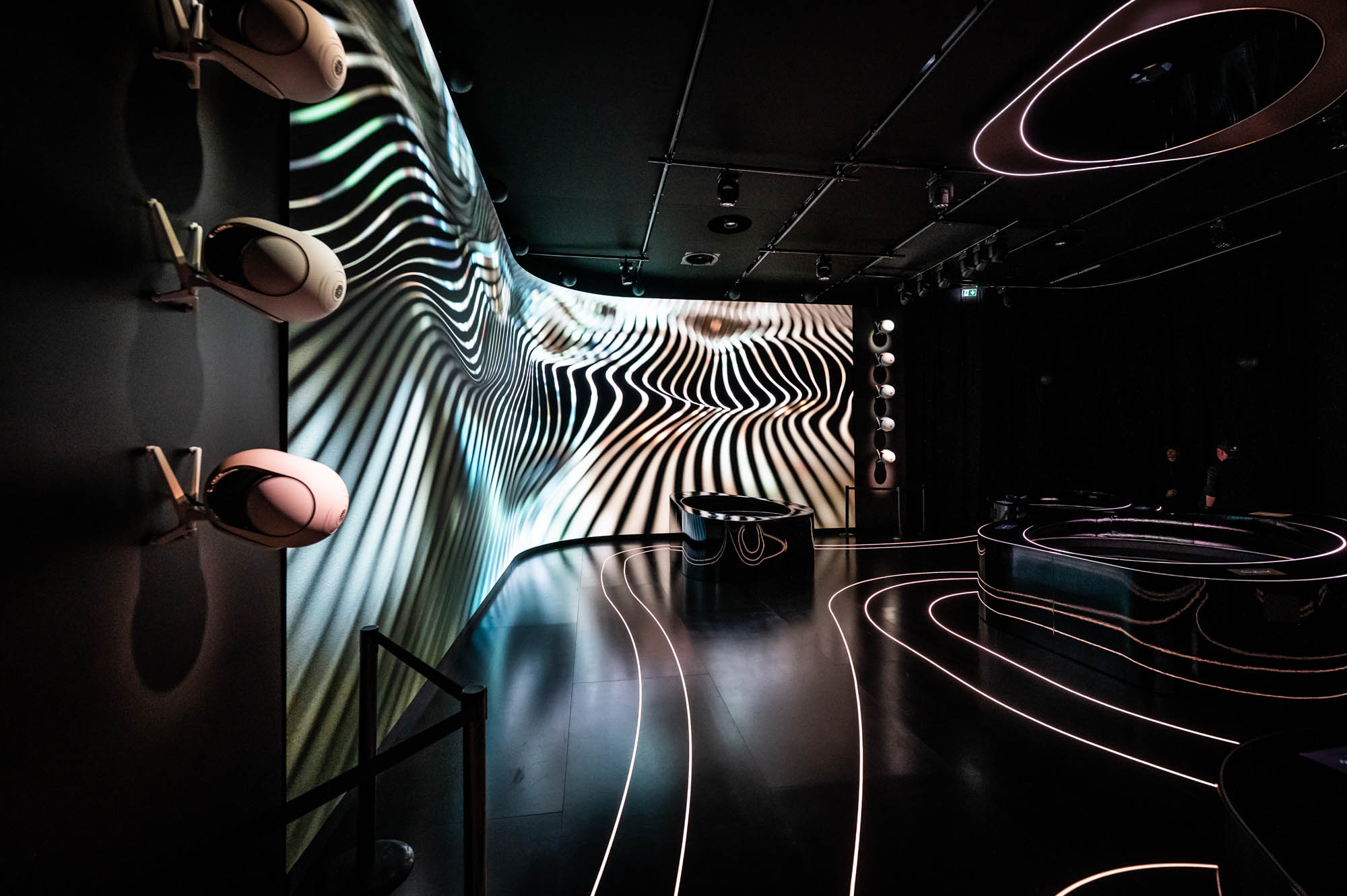
For Soundsorial Design, BRS created and produced an interactive sound installation commissioned by PM International in collaboration with Devialet.
The experience invited guests to contribute their voices to a live composition. Real-time voice analysis assigned participants to one of five Sound Signatures, each corresponding to a different layer of the installation.
The environment combined five water basins, interactive controls, responsive visual elements and 33 Devialet speakers.
BRS led the creative development and overall production in collaboration with acoustic, music and technical specialists.
The project illustrates how immersive design and interactive technology can bring a product partnership to life through audience participation.
4. Understand who owns technical production
For a complex product launch, the relationship between creative direction and technical production matters as much as the original concept.
Projection mapping, interactive installations, audio systems, lighting, scenic construction and live-show programming often require several specialised teams.
An agency does not necessarily need to provide every technical discipline in-house. What matters is whether responsibilities are clear and whether the production is coordinated as a whole.
Before appointing a partner, establish:
•Who develops the technical concept and feasibility plan?•Who selects and coordinates specialist suppliers?•Who is responsible for integrating the different technical systems?•How are rehearsals, testing and contingency measures organised?•Who makes decisions when technical requirements conflict with creative ambitions?
Ask for an example of a production challenge and how the agency resolved it. The answer can reveal more about its capabilities than a list of available equipment.
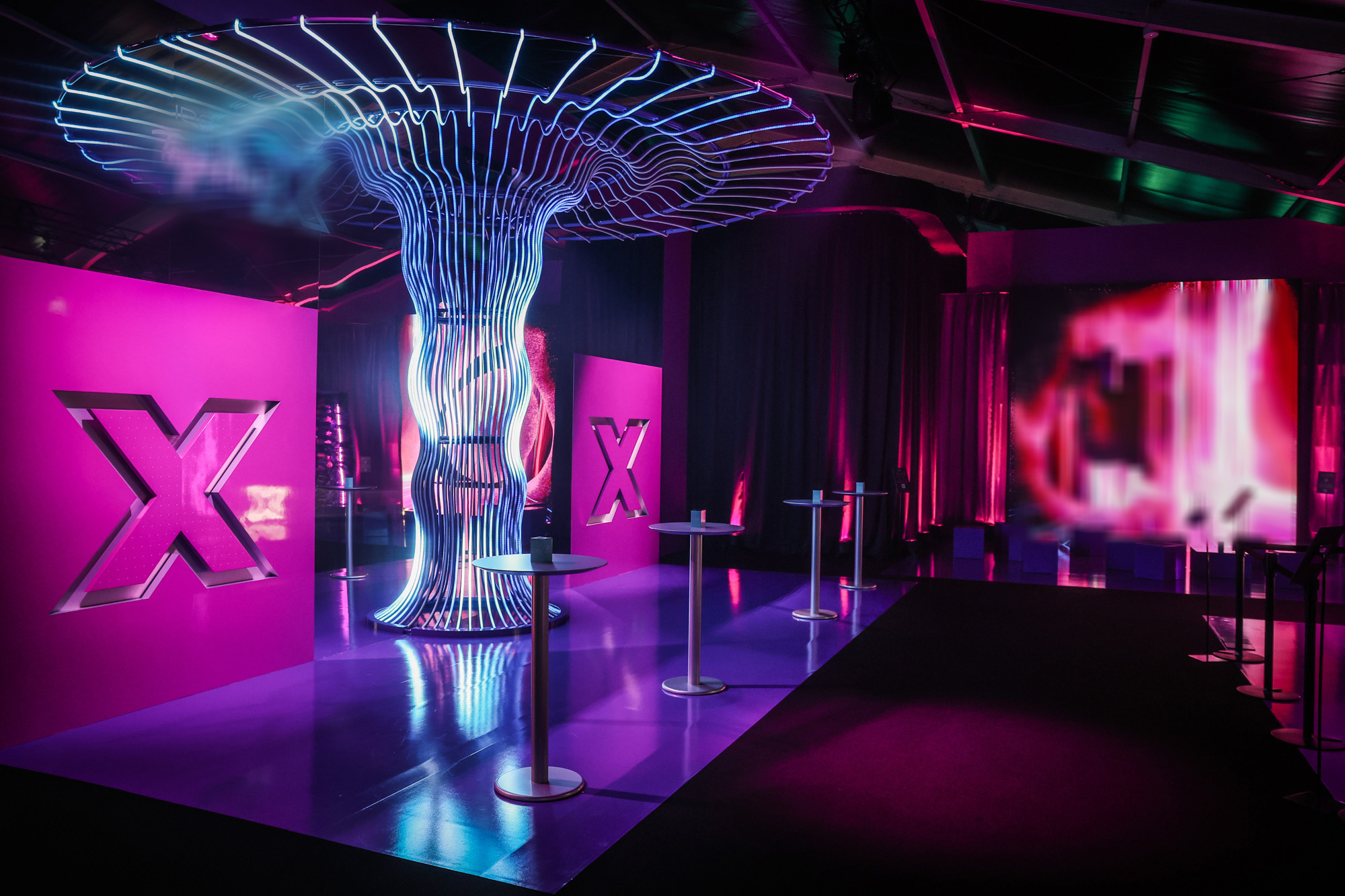
Project example: Tokyo Sensory Experience
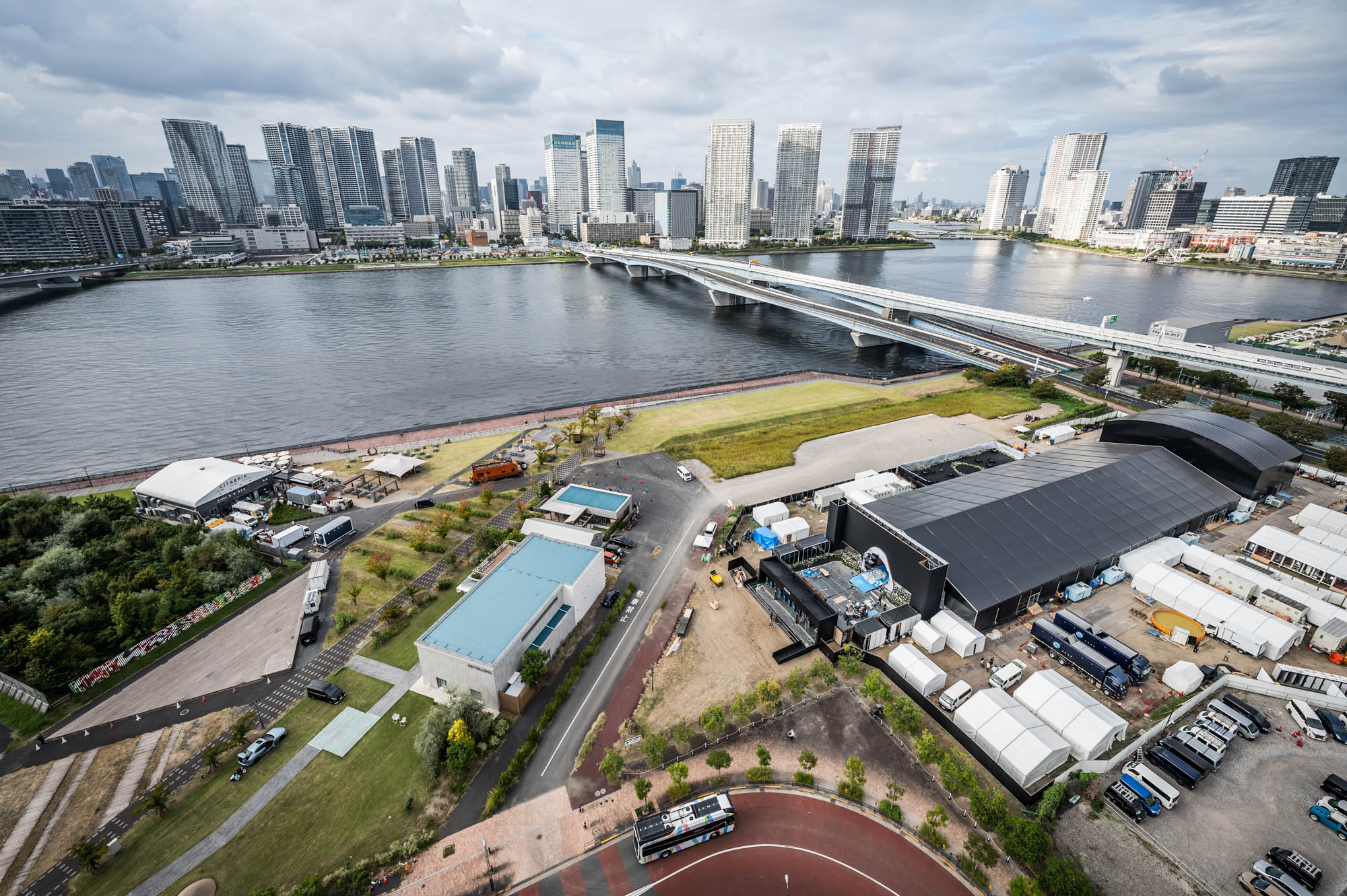
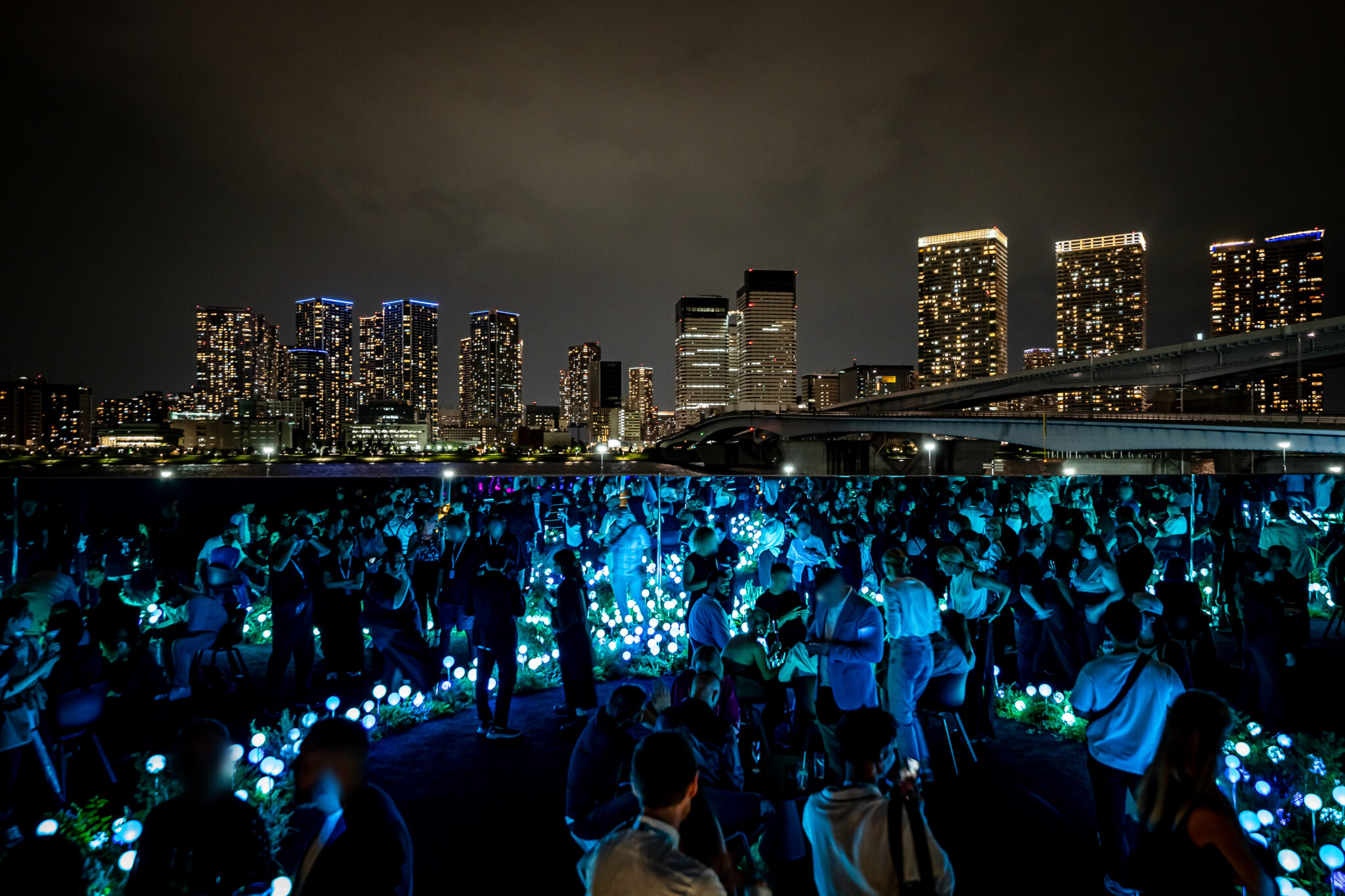
For its multi-sensory experience in Tokyo, BRS led the development and delivery of a temporary event environment created for 1,600 international participants.
The project involved constructing a venue on a 10,000 m² site, including a 5,000 m² guest environment with multiple immersive zones.
The production required extensive planning around Japanese building regulations, site construction and local technical requirements.
BRS coordinated design, construction, guest experience and event management, working with specialist suppliers from Japan, France and Germany.
This example is particularly relevant when assessing an agency’s ability to manage unfamiliar production environments and coordinate local expertise.
5. Clarify the production model and responsibilities
Two agencies may offer similar services while proposing very different ways of working.
One might lead creative development and hand the concept to another production company. Another might oversee both creative and production through to delivery. A third might work alongside an internal brand team, taking responsibility for specific parts of the project.
Any of these models can work, provided responsibilities are clearly defined.
Before selecting an agency, ask for a breakdown of the proposed delivery structure.
Who will lead the project? Which specialists are already involved? What will be handled by external partners? Who will coordinate approvals, suppliers, technical development and on-site execution?
For international launches, also establish how responsibility is divided between central and local teams.
The goal is to understand how decisions will be made throughout the project, especially when multiple locations and production partners are involved.
6. Ask for evidence that matches your project
An agency’s strongest reference is not necessarily its largest or most visually impressive production. It is the project that best demonstrates the capabilities you need.
For an immersive product launch, useful evidence may include:
•Relevant experience: Comparable product reveals or immersive brand activations.•International delivery: Documented projects involving multiple markets or complex local production requirements.•Technical capability: Examples of interactive systems, live content integration or complex audiovisual environments.•Production responsibility: A clear explanation of the agency’s role and its relationship with specialist partners.•Results: Verified attendance, audience participation, engagement or commercial outcomes, where available and relevant.
Ask agencies to distinguish between what was delivered, what was measured and what was achieved.
For example, BRS’s Soundsorial Design installation welcomed more than 26,000 visitors over seven public days at Milan Design Week 2026. This is a documented attendance figure. Evaluating the project’s effectiveness against its original objectives requires additional context.
Specific, verifiable project evidence makes agency proposals easier to compare.
Questions to ask before choosing an immersive agency
Use these questions when reviewing a shortlist or speaking to potential partners:
1. Which of your previous projects is most comparable to our launch, and why?
2. What was your exact creative and production responsibility on that project?
3. Have you delivered a creative concept across several markets? How did you manage local adaptations?
4. Which production and technical capabilities do you lead directly, and which require external partners?
5. How will you maintain a consistent creative direction throughout production?
6. What are the main technical or operational risks you would investigate first?
7. What evidence can you share about the outcomes of comparable projects?
8. Who would be responsible for our project from concept development through to final delivery?
The quality of the answers, and the evidence supporting them, should make it easier to compare agencies and understand which partner is best suited to your particular launch.
Choosing the right partner for your global product launch
An immersive product launch brings together creative thinking, audience experience, technical production and operational delivery. When several markets are involved, the ability to coordinate those disciplines becomes especially important.
The right agency should be able to explain how it would approach your specific challenge, demonstrate relevant experience and make its responsibilities clear from the beginning.
At Battle Royal Studios, we bring together creative direction, immersive experience design and production expertise for product launches and brand experiences.
Our portfolio includes immersive product reveals, technically complex installations and international productions, from Sensorium Worlds in Milan and Soundsorial Design to the Tokyo Sensory Experience and the Believe. Further international rollout.
Explore our product launch capabilities and immersive experiences to learn more about our work.
Already preparing a launch? Our guide to briefing a brand experience agency for a product launch covers the information worth aligning internally before your first agency conversation.
